
Official Trezor™ Suite App®® — Desktop & Web App for Hardware
Use Trezor Suite to explore an organized approach to cryptocurrency management, with tools for connecting Trezor hardware, monitoring accounts, reviewing transactions, managing assets, and maintaining security practices.
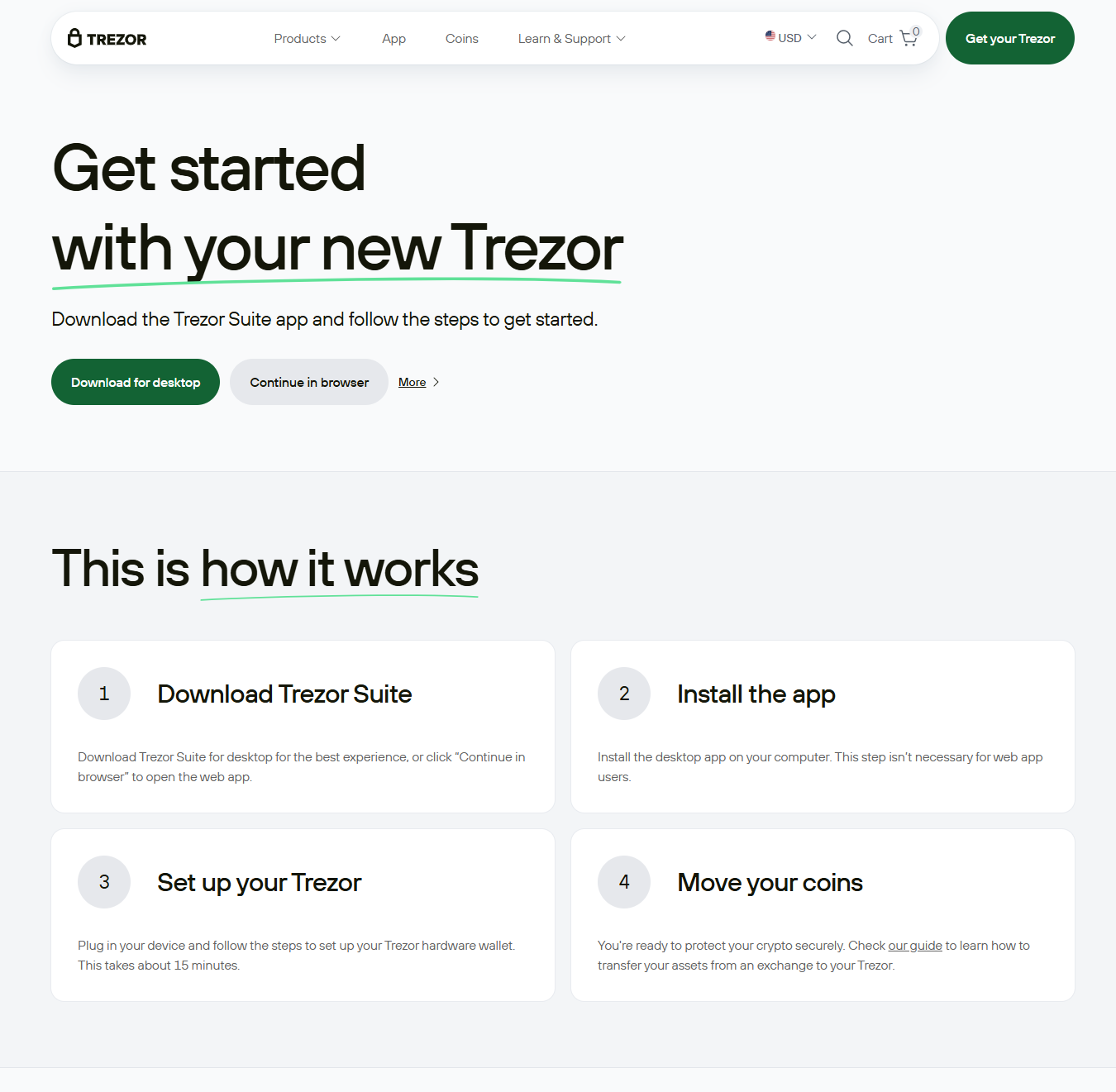
Trezor Suite: A Complete Guide to Secure Crypto Wallet Management
Cryptocurrency users need a secure and convenient way to manage their digital assets. A hardware wallet can provide strong protection for sensitive wallet information, but users also need reliable software to view accounts, review transactions, and interact with supported blockchain networks. Trezor Suite is designed to provide this management environment for Trezor hardware wallet users.
For beginners, cryptocurrency can appear complicated because of unfamiliar terms and security procedures. Understanding how Trezor Suite works, how it connects with a hardware wallet, and how to protect recovery information can make the overall experience much easier.
What Is Trezor Suite?
Trezor Suite is the companion application for managing compatible Trezor hardware wallets. It provides a centralized interface where users can work with supported cryptocurrency accounts and monitor wallet activity.
Instead of depending on several unrelated wallet applications, users can use Trezor Suite as a dedicated environment for managing supported assets. The software and hardware wallet work together, giving users the convenience of a digital interface while keeping important security functions connected to the physical device.
Trezor Suite is suitable for beginners who want a straightforward wallet-management experience as well as experienced users who need a more organized way to handle multiple accounts.
Why Trezor Suite Is Useful
One of the biggest advantages of Trezor Suite is simplicity. Cryptocurrency management often involves checking balances, reviewing transactions, receiving assets, and preparing transfers. Having these activities available through one wallet interface can make everyday management easier.
The desktop environment can also provide more space for reviewing wallet information than a small mobile display. Users can navigate their accounts, examine transaction records, and manage supported assets from a larger screen.
However, convenience should always be combined with responsible security practices. The software is an interface for managing the wallet, while the Trezor hardware device provides an important layer of protection for sensitive wallet operations.
How Trezor Suite Works With Trezor Hardware Wallets
A Trezor hardware wallet and Trezor Suite have complementary roles.
Trezor Suite provides the software interface where users can view information and prepare supported transactions. The connected hardware wallet handles sensitive security operations and transaction authorization.
Before approving a transaction, users should carefully examine the details displayed on their hardware device. Checking the destination, amount, and other available information can help ensure that the transaction matches the user's intention.
This workflow is particularly useful because it prevents users from relying solely on information displayed on a computer screen.
Starting With Trezor Suite
The first step for anyone using Trezor Suite is to obtain the software from a legitimate Trezor source. This is important because cryptocurrency users are frequently targeted by phishing websites and fake wallet applications.
After installing the appropriate application, connect the compatible Trezor device and follow the setup instructions provided by the software.
Depending on the device and account configuration, the setup process may involve creating or restoring a wallet, configuring accounts, and completing security checks.
New users should avoid rushing through the setup. Reading each instruction carefully can help prevent avoidable mistakes.
Protecting Your Recovery Information
Recovery information is one of the most important parts of a hardware wallet.
A recovery seed can be used to restore wallet access when a compatible device is lost, damaged, or replaced. Because it can provide access to wallet accounts, it should be protected with extreme care.
Never enter your recovery seed into a website, email, online form, chat message, or unknown application. Avoid storing it digitally in screenshots, cloud services, or ordinary computer documents.
Your recovery information should remain private and securely stored. If someone asks you to provide your complete recovery seed for verification or technical support, treat the request as suspicious.
Managing Crypto Accounts in Trezor Suite
After the initial setup, Trezor Suite can help users manage supported cryptocurrency accounts from one location.
Depending on the supported asset and current functionality, users can review account balances, examine transaction history, receive cryptocurrency, and prepare transactions.
Keeping accounts organized can be particularly useful for people who hold several different cryptocurrencies. A clear interface makes it easier to distinguish accounts and understand recent activity.
It is also important to understand that cryptocurrencies are recorded on blockchain networks. The hardware wallet does not physically store coins. Instead, it protects the credentials and signing process used to control blockchain assets.
Sending Cryptocurrency Safely
Sending cryptocurrency should always be approached carefully. Blockchain transactions generally cannot simply be reversed after confirmation.
Before sending funds, verify the recipient address, network, amount, and other transaction information. If you copied an address from another application, carefully confirm that it has not been altered or replaced.
When the transaction reaches the hardware wallet for approval, review the details shown there before confirming.
If something appears different from what you expected, stop and investigate instead of approving the transaction.
Receiving Cryptocurrency
Receiving funds is generally straightforward, but users should still verify the receiving address before sharing it.
When possible, confirm that the address belongs to the intended account and that the correct blockchain network is being used. Sending an asset through an incompatible network can create unnecessary complications.
Trezor Suite can make account and address management more organized, but users should still understand the network associated with the cryptocurrency they are receiving.
Keeping Trezor Suite Updated
Regular software maintenance is another important part of wallet security.
Updates can include new features, compatibility improvements, bug fixes, and security enhancements. Users should pay attention to legitimate update instructions and use trusted sources when installing new software.
Be cautious of unexpected update notifications delivered through emails, social media messages, pop-ups, or unfamiliar websites. A phishing page may imitate a legitimate wallet update process.
Opening the wallet application through a trusted source is safer than clicking suspicious links.
Common Trezor Suite Security Mistakes
Many cryptocurrency security problems result from simple user mistakes.
Never share your recovery seed with another person. Do not enter it into a website or application merely because someone claims that verification is required.
Avoid downloading Trezor Suite from unofficial sources. Fake wallet software may attempt to steal sensitive information.
Users should also be careful with fake customer-support accounts. Scammers sometimes create urgent messages claiming that an account is compromised and then request private wallet information.
Another important mistake is approving transactions without reading the information displayed on the hardware wallet. Always verify what you are signing before confirming.
Making Trezor Suite Part of Your Routine
Trezor Suite can become a useful part of everyday cryptocurrency management. Instead of using the hardware wallet only when sending funds, users can regularly check accounts, monitor activity, organize supported assets, and review transactions.
Creating a consistent routine can also improve security. Regularly checking wallet activity may make unfamiliar transactions easier to notice.
At the same time, users should avoid unnecessary actions simply for the sake of interacting with their wallet. Good security is about careful and informed behavior rather than constant activity.
Final Thoughts
Trezor Suite provides a practical software environment for users who want to manage supported cryptocurrency assets alongside a Trezor hardware wallet. Its account-management features and transaction interface can make digital asset management more organized and accessible.
The software is only one part of a secure cryptocurrency setup. Protecting recovery information, using legitimate software, checking transaction details, and staying alert to phishing attempts are equally important.
By combining Trezor Suite with responsible hardware-wallet practices, users can create a more structured approach to managing their cryptocurrency and better understand the security principles behind hardware-based wallet management.
Updated about 8 hours ago